Before Pixar was Pixar
The story does not start with Woody and Buzz. It does not even start with Steve Jobs. It starts with a stranger ambition: a group of computer graphics researchers in the 1970s wanted to make a full-length animated movie with computers.
This was, technically, a movie idea.
Practically, it was closer to saying that you wanted to build a cathedral out of smoke.
Computers could draw lines. Computers could generate shapes. Computers could calculate images if you were patient and had access to expensive machines. But a feature film is not a spinning teapot. A feature film needs characters, lighting, motion, texture, editing, sound, emotion, and a reason for people to sit in a theater for ninety minutes.
The researchers could imagine it.
The machines could not yet do it.
This distinction matters, because Pixar’s first product was not really a film. Pixar’s first product was belief.
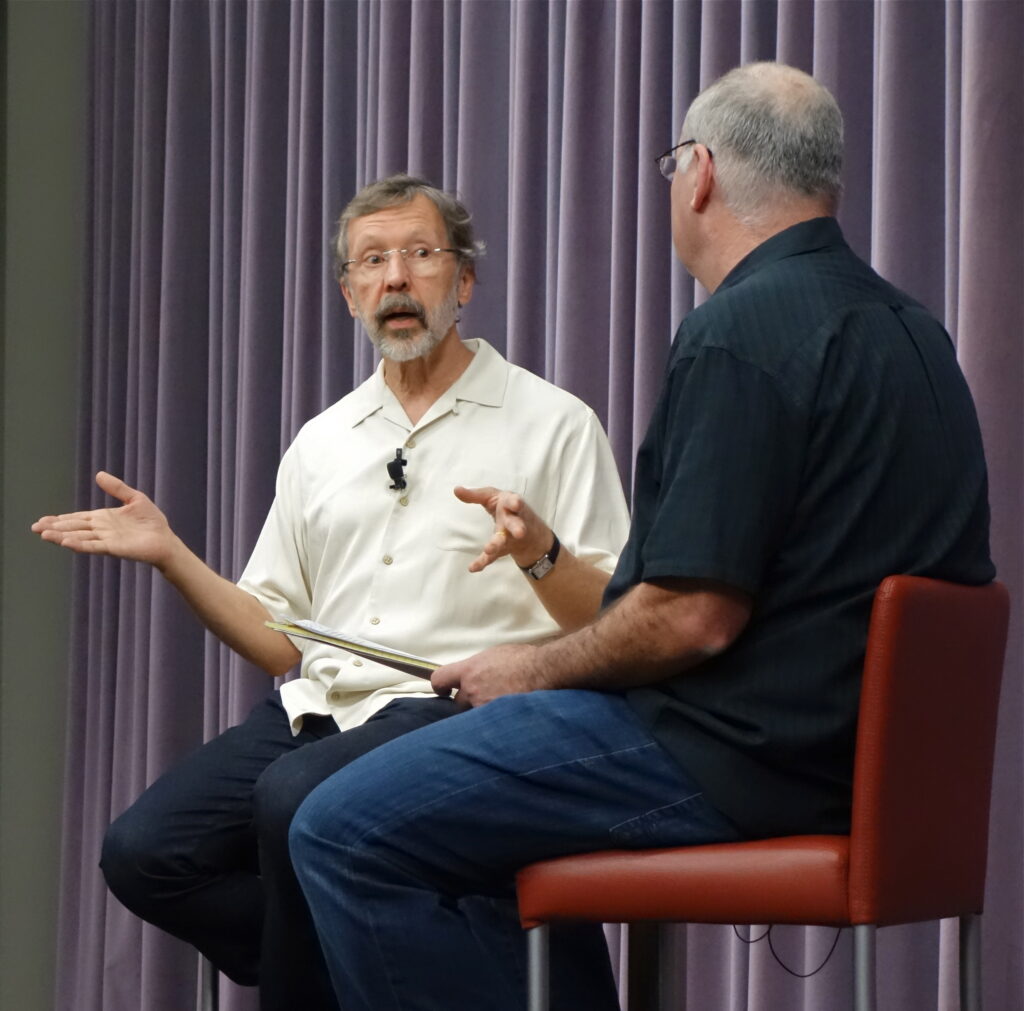
Ed Catmull had that belief early. He had studied physics and computer science, and he had the particular kind of ambition that sounds modest if you say it quickly: he wanted to make the first computer-animated feature film.
This is like saying you want to make the first airplane, but for feelings.
At the New York Institute of Technology, Catmull worked with a group of people who treated computer graphics as both a technical field and an artistic medium. One of the most important was Alvy Ray Smith, a computer scientist, artist, and later co-founder of Pixar, whose role in the story is both central and, for a long time, under-remembered.
Catmull and Smith were not merely trying to make prettier pictures. They were trying to build the whole stack: pixels, paint systems, modeling, shading, compositing, animation, rendering. If a digital movie was ever going to exist, someone had to invent not just the image but the pipeline that produced the image.
That is an important Pixar word, even before Pixar existed: pipeline.
A painting can be made by one person. A short animation can be made by a small group. A feature film is an industrial process disguised as art. If you want a computer to make a feature film, you need a thousand small systems to cooperate. You need artists to use technical tools. You need technical people to care about artistic problems. You need the machine to be predictable enough for production and flexible enough for invention.
This is the central Pixar problem.
It never really goes away.
George Lucas wanted tools
In 1979, George Lucas recruited Ed Catmull from NYIT to head the Computer Division at Lucasfilm. The division’s job was not, at first, to make cute toys or emotional fish or existential robots. Lucas wanted tools for the film industry: digital editing, digital sound editing, a digital film printer, and computer graphics.
This is a very George Lucas thing.
He had made Star Wars, a movie that depended on technology and logistics as much as acting and dialogue. He understood that if movies were going to become more complex, the infrastructure of moviemaking would have to change. Film editing was physical. Sound editing was physical. Optical effects were physical. The future, Lucas suspected, might be less physical.
So he built a division to find out.
The basic setup was: Lucasfilm had movie problems, Catmull’s group had computer dreams, and the computer dreams could be described as solutions to movie problems. This is a useful way to get funding. It is also a useful way to hide a revolution inside a service department.
A year later, Alvy Ray Smith joined Lucasfilm as Director of Computer Graphics Research. Now the group had a stronger blend of academic research, digital art, and Hollywood adjacency. They were not yet Pixar. They were not yet a studio. They were a group inside Lucasfilm trying to make computers useful to cinema.
The funny thing is that they were successful before anyone knew what the success was for.
In 1982, the group created the Genesis Effect sequence for Star Trek II: The Wrath of Khan, a landmark early computer-generated sequence in a feature film. The camera flew over a dead planet as it transformed into a living one. It was not a character scene. It was not comedy. It was not the Pixar myth yet. But it was proof of concept: a computer could make a cinematic image that belonged on a movie screen.
One way to think about the Genesis Effect is that it showed Hollywood a new special effect.
Another way to think about it is that it showed Pixar’s future employees that the machine could speak cinema.
Not fluently.
But enough.
The dream called The Movie
Inside the group, the long-term dream was often described as “The Movie”: the first feature-length computer animated film.
This is a good name because it is both grand and ridiculous. Not a movie. The Movie. The one that would prove the point.
But the basic economics were bad.
To make The Movie, you needed hardware that was too expensive, software that did not exist, artists who had not been trained, and a studio willing to risk money on an unproven medium. If you are a Hollywood executive, this pitch has a lot of ways to say no.
“Can we see previous examples?”
“No, that is why it is new.”
“Is it cheaper than traditional animation?”
“No.”
“Is it faster?”
“Also no.”
“Will audiences like it?”
“We hope they will emotionally identify with digital objects rendered overnight by machines.”
Not ideal.
So the group did what technical dreamers often do when the final product is impossible: it built intermediate products. It built tools. It built hardware. It built shorts. It built demonstrations. It built things that could justify the next year of existence.
This is a recurring Pixar pattern.
The final story looks clean in retrospect.
The actual story is a chain of survival mechanisms.
John Lasseter enters the machine
John Lasseter did not come from computer science. He came from Disney.
That matters.
Catmull and Smith wanted to make a computer-animated feature. Lasseter understood character animation in the Disney tradition: timing, staging, appeal, personality, gesture, emotion. He understood that a character is not a model.
A character is a performance.
Lasseter had been fascinated by computer animation after seeing early digital work, but Disney in the early 1980s was not exactly ready to turn itself into a computer graphics lab. Eventually, he joined the Lucasfilm Computer Division as an “interface designer,” which is a wonderfully technical job title for someone whose real job was to teach the computer to act.
This is one of the great category shifts in Pixar history.
The computer starts as a calculation device. Under Lasseter, it becomes a performer.
In 1984, Lasseter directed The Adventures of André and Wally B., an early computer-animated short made at Lucasfilm. It is primitive now, but primitive in the way early aviation is primitive: you can see the machine shaking, and that is the point. The short showed motion blur, flexible characters, and a desire to make computer graphics charming rather than merely impressive.
The technology was not ready.
But the direction was clear.
A computer-generated character had to be more than a technical object. It had to want something. It had to move in a way that made the audience infer feeling. It had to make the machine disappear.
The machine did not disappear yet.
But it blinked.
Steve Jobs buys a problem
In 1986, the Computer Division was spun out of Lucasfilm and became Pixar. Steve Jobs, recently out of Apple and building NeXT, provided the money.
The simplified story is that Jobs bought Pixar from George Lucas. The more precise story is slightly more complicated, which is where the interesting part usually lives. The group was formed as a new company, capitalized with Jobs’s money, with rights to technology developed at Lucasfilm. Jobs became the dominant owner. The employees retained a stake. Lucasfilm got cash. Pixar got a chance to exist outside Lucasfilm.

Legally and structurally, the details matter.
Narratively, the key point is simple: Steve Jobs bought into Pixar before Pixar knew how to be Pixar.
What did he buy?
Not a movie studio.
Not yet.
He bought a hardware company built around the Pixar Image Computer, a very expensive imaging machine aimed at markets like medicine, scientific visualization, government, and high-end graphics. The Pixar Image Computer was powerful and elegant and ahead of its time. It also cost enough money that the customer base was not exactly children, parents, and people who wanted to see a movie about toys.
This is a lot to ask of a computer.
The basic business plan was: sell advanced image computers to institutions that needed advanced image processing. Hospitals might use them. Government agencies might use them. Scientific customers might use them. Disney might use them. If enough customers bought the machines, Pixar could fund its longer-term ambitions.
If the customers did not buy the machines, Pixar had a problem.
The customers did not buy enough machines.
This is the first great irony of Pixar: the company that would eventually become synonymous with digital animation was, for a while, a bad hardware company.
Not bad technically.
Bad commercially.
There is a difference. Technically, the Pixar Image Computer was advanced. Commercially, it was expensive, specialized, and difficult to sell at scale. The market for “very expensive image computer that might one day help create the future of movies” was not huge.
Strange.
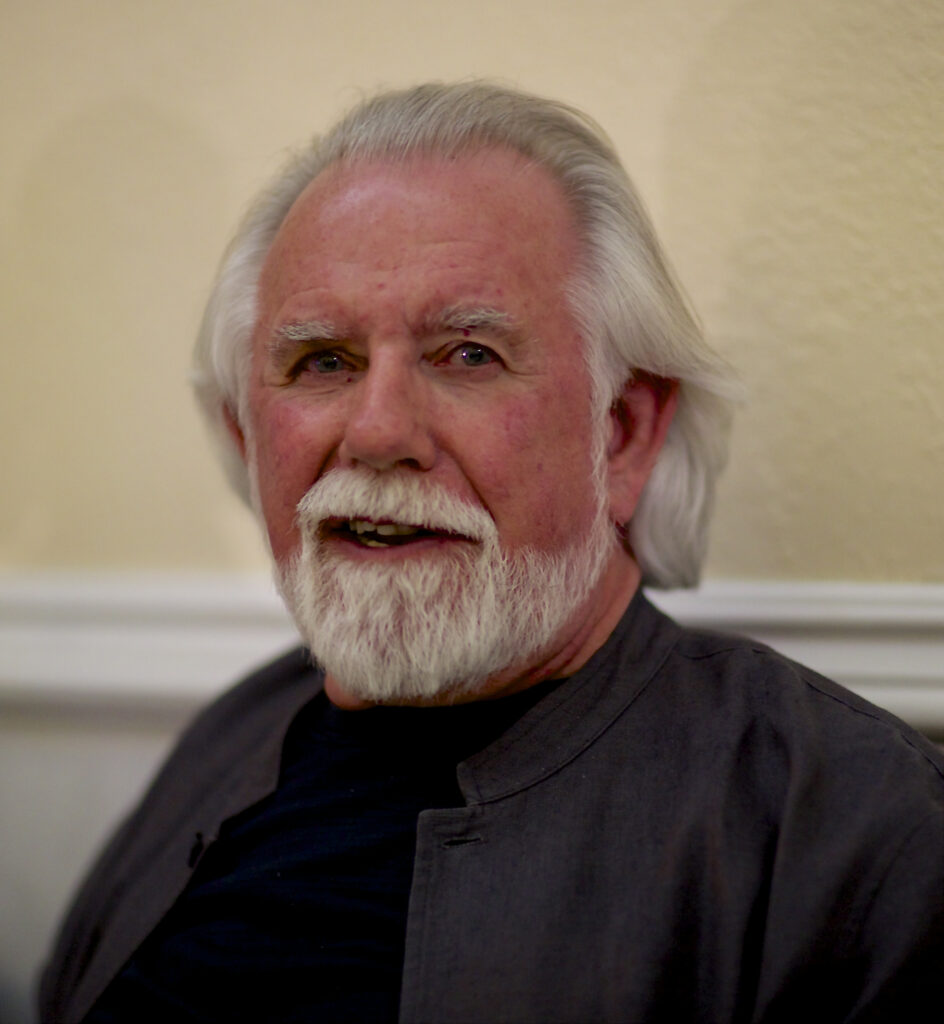
Jobs would keep putting money into Pixar for years. He was not always patient. He clashed with Alvy Ray Smith. He pushed for commercial discipline. He wanted the company to become a business, not just a research culture with a logo. Of course he did. He had bought a company, and companies are expected to do things like sell products and not require endless funding from their owners.
But Pixar’s real value was not obvious on the balance sheet. It was in the tools, the people, the culture, and the stubborn belief in The Movie.
This is a hard asset to value.
It does not fit well in a hardware sales forecast.
The name was a machine before it was a myth
Even the name “Pixar” began as a technology name.
The broad story is that Alvy Ray Smith liked the sound of “pixer,” a pseudo-Spanish-sounding word suggesting image-making, and Loren Carpenter helped turn it into “Pixar,” which sounded more futuristic. The name attached first to an imaging computer, then to a company, and only later to a studio whose logo would make adults cry before movies about toys.
This is funny in the useful sense.
Pixar, the word, now means emotional precision, story, childhood memory, and a lamp jumping on a capital I. But it began as branding for image-processing hardware.
The brand started as a machine.
Then the machine failed to become the business.
Then the brand became the business.
Very Pixar.
Disney before Disney-Pixar
Disney enters this story earlier than most people think.
The simple story is: Pixar made Toy Story with Disney in 1995, then fought with Disney, then Disney bought Pixar in 2006.
The more interesting story is that Pixar was helping Disney modernize traditional animation before Pixar became the studio that threatened to replace traditional animation.
This is the CAPS story.
CAPS, the Computer Animation Production System, was a collaboration between Disney and Pixar that digitized parts of the ink-and-paint and compositing process for hand-drawn animation. Traditional Disney animation involved drawings, cels, paint, cameras, optical compositing, and many physical steps. CAPS made it possible to scan drawings, color them digitally, composite layers, and use camera moves with a flexibility that was difficult or impossible in the old physical process.
In other words: before Pixar helped Disney make the first fully computer-animated feature, Pixar helped Disney make hand-drawn animation more digital.
This is not a footnote.
It is the bridge.
Pixar needed revenue and a strategic relationship. Disney needed technology. CAPS gave both sides something useful. It also kept Pixar close to Disney at precisely the moment when Pixar’s short films were proving that computer animation could create character, not just effects.
The mechanism is simple: Pixar sells tools to Disney. Disney uses the tools to improve traditional animation. Pixar learns how Disney works. Disney learns that Pixar is not just a vendor. Both sides begin to depend on each other before either side admits what the dependence means.
This is how partnerships start.
Also marriages.
Also litigation.
Luxo Jr. and the soul of an object
In 1986, Pixar made Luxo Jr.
It is a short film about two desk lamps and a ball. That description undersells it in the same way that “a company sold some stock” undersells an IPO.
Luxo Jr. was important because it solved a problem that was not merely technical. It showed that a computer-generated object could seem alive.
The older lamp watches the younger lamp play with a ball. The younger lamp hops, squashes slightly, reacts, fails, tries again. There is no face. There is no dialogue. There is no fur, no skin, no expressive eyes. There are hinges, shade, base, light, timing.
And somehow the audience understands parenthood.
After the short screened at SIGGRAPH, the famous story is that computer scientist Jim Blinn did not ask Lasseter about algorithms or rendering technique. He asked whether the larger lamp was the mother or father.
This is the entire Pixar thesis in one question.
If the audience asks about the family structure of a desk lamp, the computer has crossed a line.
Not technically.
Emotionally.
Before Luxo Jr., computer animation was often received as a demonstration: look what the machine can draw. After Luxo Jr., it could be received as performance: look what the character feels.
This is not just a cute anecdote. It is a business transformation. A technical demo has limited market value. A character has franchise value. A lamp with personality can become a logo. A logo can become a promise. A promise can become a studio.
The lamp did a lot of work.
Short films as research, financing, and propaganda
Pixar’s early shorts were not just art projects. They were research papers with jokes. They were investor decks with timing. They were proof-of-concept films for The Movie.
Luxo Jr. proved that computer objects could act.
Red’s Dream pushed atmosphere, lighting, and melancholy.
Tin Toy pushed character animation, plastic surfaces, and the uneasy problem of humans in CG.
Knick Knack pushed stylized physical comedy.
Each short solved a technical problem and an emotional problem.
This is a useful way to understand Pixar: the shorts were where tools became taste.
A renderer can produce an image. A pipeline can produce a shot. But a studio needs taste: what to simplify, what to stylize, what to leave out, what to exaggerate, when to stop chasing realism and start chasing appeal.
This was especially important because early CG had obvious limitations. Human skin was hard. Hair was hard. Cloth was hard. Naturalistic motion was hard. Water was hard. Crowds were hard. Everything organic was hard. Plastic objects, metal lamps, toys, geometric spaces – those were less hard.
So Pixar learned to turn limitations into style.
This is not cheating.
This is art direction.
Tin Toy won the Academy Award for animated short film. It was the first computer-animated short to do that. Again, the award mattered not only because Pixar got a trophy. It mattered because the industry was being asked to treat computer animation as animation, not as a technical subcategory.
The short film was no longer a demo.
It was a film.
Small distinction.
Huge consequences.
RenderMan: the invisible business
Now we need to talk about RenderMan.
This is not the part of the story most audiences know. Audiences know Woody. Audiences know Buzz. Audiences know Nemo, Wall-E, Sulley, Lightning McQueen, Carl, Joy, Sadness, Anxiety.
Audiences do not usually know the rendering architecture.
Audiences are ungrateful that way.
RenderMan was Pixar’s rendering technology, introduced in the late 1980s. It grew out of work on Reyes – “Renders Everything You Ever Saw” – a rendering architecture designed for the practical demands of film-quality images at a time when full ray tracing was too computationally expensive for feature production.
The basic problem was: artists wanted rich, complex, film-quality images; computers were slow; physically accurate light simulation was too expensive; production deadlines existed.
So RenderMan did what good production tools often do: it faked the right things in the right way.
Technically, that sentence is unfair.
Artistically, it is accurate.
RenderMan did not need to simulate every photon to make a convincing image. It needed to render images that worked on film, under deadlines, with controllability for artists. The distinction between physical correctness and cinematic usefulness is important. Pixar was not building a physics monastery. It was building a movie studio.
RenderMan became one of Pixar’s strangest assets. It helped Pixar make Pixar films, but it also became a tool for the broader visual effects industry. It was used across Hollywood in films far beyond Pixar’s own slate. In that sense, Pixar was not merely a studio competing with other studios. It was quietly supplying infrastructure to the industry that would compete with it.
This is a good business if you can manage it: make your own films, sell or license the tools, set the standard, train the ecosystem, and become inevitable.
RenderMan also reveals something deep about Pixar’s culture. Pixar did not treat tools as secondary. Tools were creative infrastructure. The company’s artistic ambitions and technical ambitions were not separate tracks. They were one machine.
The story looks like Pixar made films with computers.
The mechanism is that Pixar built computers, software, workflows, and feedback systems that made a new kind of film possible.
The movie is the visible product.
The pipeline is the hidden product.
Menv, Marionette, and the internal tool habit
RenderMan was the renderer, but Pixar also needed tools to animate, stage, and manage shots. One key internal animation system was Menv, also known as Marionette.
The name is instructive. A marionette is a puppet. Pixar’s software was, in a sense, a digital puppeteering system. Animators could manipulate characters and objects in virtual space, create poses, adjust timing, build performances, and then send the result through the production pipeline.
Again, the basic idea is simple: if traditional animators need pencils, paper, light tables, exposure sheets, cameras, and paint, computer animators need digital equivalents.
But the digital equivalents did not exist.
Pixar had to build them.
This created a culture in which tool-building was not a support function. It was part of authorship.
Suppose you are an animator and the tool will not let you create the performance you need. You can compromise the performance. Or the tool can change. At Pixar, the tool often changed.
Suppose you are a technical director and the story demands something the renderer cannot do. You can tell the story department no. Or you can make the renderer smarter. At Pixar, the renderer often got smarter.
This is expensive. This is slow. This is not the cheapest way to produce entertainment. But it creates a compounding advantage: every hard film leaves behind better tools.
The studio makes the film.
The film improves the studio.
The improved studio makes the next film.
This is either a virtuous cycle or a very expensive addiction.
Often both.
Toy Story: choosing the right limitations
By the early 1990s, Disney and Pixar had a deal to make a computer-animated feature. The Movie was no longer just a dream.
It was a production.
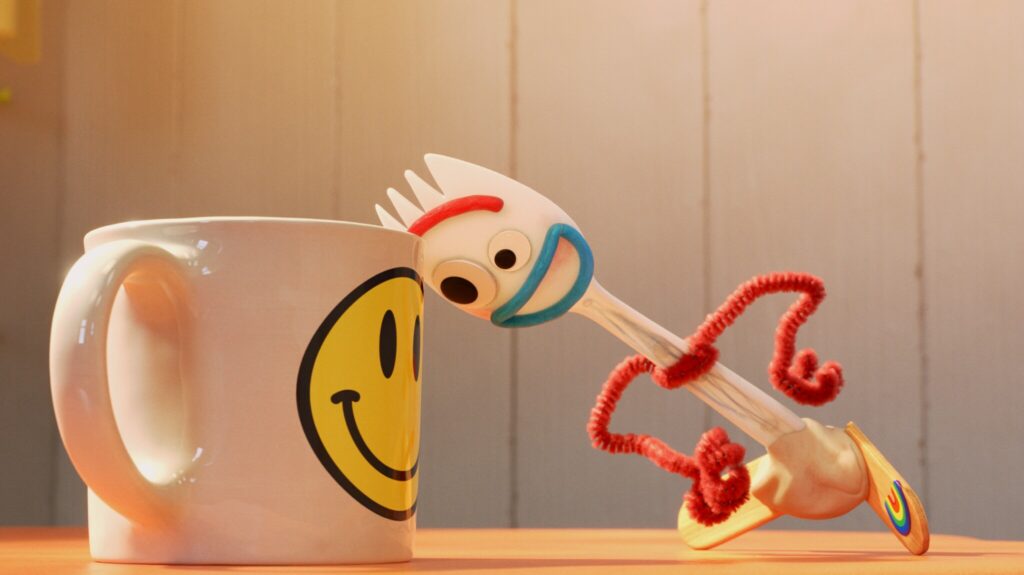
This created a new problem: now they actually had to make it.
Toy Story was the perfect first CG feature not because toys were the most profound possible subject, but because toys were technically and narratively convenient in exactly the right way.
Toys are made of plastic, cloth, metal, rubber, and other surfaces that early CG could render better than human skin. Toys have simplified bodies. Toys can move stiffly without looking wrong. Toys live in interior spaces that can be modeled. Toys can be stylized. Toys can be emotionally rich without requiring photorealistic humans.
The technology wanted toys.
The story made toys matter.
That is the trick.
If Toy Story had been about realistic human children, it might have collapsed into uncanny difficulty. If it had been about abstract shapes, it might have remained a technical demo. Toys gave Pixar a bridge between limitation and emotion.
The basic model was: choose a world that computers can render, then make that world emotionally human.
This is not a compromise.
It is strategy.
Production was enormous by the standards of anything Pixar had done before. The film had 1,560 shots, hundreds of computer-generated models and backgrounds, and required vast rendering time on Silicon Graphics and Sun workstations. Every shot had to be modeled, animated, shaded, lit, rendered, checked, revised, and finished. There was no established feature CG pipeline to copy. Pixar had to invent the process while using the process.
This is like building a train while using it to cross a canyon.
Not recommended.
Historically important.
The Woody problem
The most important crisis in Toy Story was not technical.
It was Woody.
Early in development, Disney pushed for the film to be sharper and more adult, with more edge. This was understandable in a narrow studio-executive sense. Animation was trying to avoid seeming too soft, too childish, too old-fashioned. A buddy comedy with tension needed conflict. Woody, as the threatened old favorite toy, needed flaws.
But there is flawed, and there is unbearable.
In the infamous early version, Woody became too mean, too unpleasant, too difficult to root for. The movie’s emotional contract broke. If the audience does not care about Woody, the story does not work. If Woody is only a jerk, then Buzz’s arrival is not a threat to identity and love; it is an overdue workplace correction.
That is a different movie.
Disney was unhappy. Production was in trouble. Pixar had to stop, rethink, and rebuild the character dynamic. The lesson was not “make everyone nice.” The lesson was that the audience had to understand why Woody behaved badly while still believing he was worth saving.
This is one of the founding moments of Pixar’s story culture.
The story looks like a script-note crisis.
The mechanism is that Pixar learned the difference between conflict and contempt.
You can make a character insecure, jealous, selfish, frightened, and wrong. But if you remove the underlying affection, the machine stops working.
Pixar’s later “story-first” reputation was born partly from this kind of crisis. Not from having perfect stories at the beginning. From discovering that bad versions are normal and that the studio must be willing to kill them.
The first lesson of the Braintrust is that sometimes the story is bad.
Awkward.
Useful.
Toy Story becomes proof
Toy Story opened in November 1995. It was the first fully computer-animated feature film. It was also a hit.
This is one of those sentences that sounds inevitable now and was not inevitable then.
If Toy Story had failed, Pixar might have remained a technical supplier, a software company, a strange footnote in the history of digital effects. Disney might have treated CG features as a failed experiment. The first-mover advantage might have gone somewhere else. The future of animation would still have become digital, probably, but not in the same way or at the same speed.
Instead, Toy Story worked.
Audiences liked it. Critics liked it. The box office liked it. The industry noticed.
And then, almost immediately, Wall Street noticed.
Pixar went public shortly after the film’s release. The IPO was a major success, and Steve Jobs, who owned most of Pixar, became a billionaire. This is a strange fact if your mental model of Jobs is only Apple. Jobs did not become a billionaire from the Macintosh. He became a billionaire from the company that made a movie about a plastic cowboy having an identity crisis.
Capitalism has jokes.
The IPO matters because it changed Pixar’s leverage. Before Toy Story, Pixar needed Disney. After Toy Story, Pixar still needed Disney, but in a different way. A hit film plus a public valuation gave Pixar a story to sell. And stories, in finance, can become money.
This is not just a movie story.
It is story-backed financing.
Pixar had proved that computer animation could carry a feature. It had proved that its culture could produce a mainstream hit. It had proved that its technology was not a lab toy. It had proved that audiences would accept digital characters as emotional beings.
And, maybe most importantly, it had proved that Pixar was not just a vendor.
Disney noticed.
Of course Disney noticed.
The partnership problem
The Disney-Pixar relationship was always both beautiful and structurally annoying.
Disney had distribution, marketing, global family entertainment infrastructure, merchandising power, theme parks, brand authority, and money. Pixar had technology, talent, freshness, and a new production model. The partnership made sense.
But deals that make sense can still create problems.
The basic problem is ownership.
If Pixar makes a movie and Disney distributes it, who owns the characters? Who controls sequels? Who gets the economics? Who controls release strategy? Who gets credit? Who has leverage if the movies become hits? What happens if one side becomes more important to the other than the contract originally assumed?
These are not artistic questions.
They are also not separate from art.
If you own the sequel rights, you can make sequels. If you control distribution, you control timing. If you control characters, you control the long tail: toys, parks, television, video, games, brand extensions.
The contract is where the magic becomes a spreadsheet.
After Toy Story, Disney and Pixar expanded their relationship. Pixar delivered hit after hit: A Bug’s Life, Toy Story 2, Monsters, Inc., Finding Nemo, The Incredibles, Cars. The more Pixar succeeded, the more the old bargain became uncomfortable.
Pixar wanted more control and better economics. Disney wanted to preserve the value of the franchise machine it helped create and distribute. This is not surprising.
Everyone wanted the thing that had become valuable after it became valuable.
Legally, contracts exist to answer these questions.
Economically, success makes everyone reread the contract.
Toy Story 2: deleted by computer, then deleted by Pixar
Toy Story 2 is one of the best Pixar stories because it contains two different disasters: a technical disaster and an artistic disaster.
First, the technical disaster.
During production, a mistaken command began deleting files from Pixar’s servers. The movie’s assets started disappearing. This was already bad. Then Pixar discovered that the backups had not been working properly. This was worse. The film was saved because Galyn Susman, a supervising technical director who had been working from home while caring for her newborn, had a copy of the project on her machine. Pixar employees retrieved the computer carefully, restored the data, and avoided catastrophe.
This story is famous because it is a perfect nightmare: a studio making the future of digital animation nearly loses the movie because of a delete command and broken backups.
Digital cinema.
Very advanced.
Also, please check your backup system.
But the second disaster is more interesting.
The version they saved was not good enough.
Toy Story 2 had started as a direct-to-video sequel, then became a theatrical feature. Pixar looked at the film and decided it did not meet the standard. So, with the release date already looming, the creative team rebuilt huge parts of it. They did not merely recover the files. They effectively rescued the movie from being the wrong movie.
This is the real Pixar lesson.
The computer disaster says: protect the data.
The artistic disaster says: protecting the data is not enough if the story is bad.
A normal studio might say, “We saved the movie, ship it.” Pixar said, in effect, “We saved the movie, and now we need to throw much of it away.”
This is insane.
Also, this is the culture.
The principle is simple and brutal: work already done is not automatically value. Sometimes it is sunk cost with better lighting.
The Hidden City lunch and the myth of effortless genius
There is a famous Pixar story about a lunch in 1994 at the Hidden City Café in Point Richmond. John Lasseter, Andrew Stanton, Pete Docter, and Joe Ranft talked about ideas that would eventually become A Bug’s Life, Monsters, Inc., Finding Nemo, and WALL-E.
This is a lovely story.
It is also dangerous if told badly.
The bad version is: four geniuses had lunch and casually invented the next decade of animation.
The better version is: four filmmakers, at a studio that had finally begun to prove its method, identified a set of emotional and visual territories that could become films if hundreds of people spent years breaking, rebuilding, and refining them.
Ideas are cheap.
Pixar’s whole argument is that ideas are cheap.
Execution is expensive. Iteration is expensive. Candor is expensive. Throwing out work is expensive. Protecting a director while challenging the film is expensive.
The lunch did not create the films.
It created a map.
A bug who wants to matter.
A monster who is paid to scare children but becomes emotionally responsible for one.
A father fish whose fear becomes the ocean.
A lonely robot cleaning a dead planet.
Those are not complete films. They are little emotional machines. Pixar spent years turning them into stories.
This is how the myth should be used: not as proof that Pixar had magical idea lunches, but as proof that Pixar knew how to convert fragments into production systems.
Story-backed development.
A Bug’s Life and the scale problem
After Toy Story, Pixar could not simply prove computer animation again. It had already done that. The next question was whether Pixar could make another kind of world.
A Bug’s Life answered with scale.
Instead of bedrooms, pizza restaurants, and suburban interiors, Pixar built an insect world: grass as forest, leaves as architecture, tiny bodies in huge environments, crowds, translucency, natural light, and a comic society under economic pressure.
The technology problem changed. The first film asked: can toys act? The second asked: can a digital world feel large, populated, and alive?
Narratively, A Bug’s Life is also a useful Pixar case because it is about a misfit inventor whose ideas endanger and then save his community. This is not subtle. Pixar was making a movie about a bug who invents devices while Pixar itself was a company full of inventors trying to survive inside the entertainment ecosystem.
The ants want food. The grasshoppers want extraction. Flik wants innovation. The colony wants safety.
The story is basically political economy with mandibles.
This is not the main reason audiences liked it.
But it is there.
Monsters, Inc. and industrialized fear
Monsters, Inc. is one of Pixar’s cleanest mechanism movies.
The basic model is: monsters need energy, children produce screams, a corporation organizes labor around extracting screams, and then the company discovers that laughter is more powerful.
This is a children’s movie.
Also an energy transition story.
The world of Monsters, Inc. works because it takes a childhood fear and turns it into infrastructure. There are doors, factories, quotas, workers, executives, safety protocols, contamination rules, and a market for scream. This is the Pixar method at its best: build a literal system around an emotional metaphor.
Fear becomes energy.
Then affection changes the energy model.
The movie also shows how Pixar’s technology and storytelling were now feeding each other. Fur was hard. Sulley had a lot of fur. Pixar did it anyway. The story needed a huge blue monster to be soft, both visually and emotionally. The technical challenge was not ornamental. It was character design.
If Sulley does not look tactile, Boo’s trust matters less. If the fur does not feel soft, the emotional reversal is weaker.
The renderer is doing story work.
Finding Nemo and the water problem
Water is hard.
That is the short version.
The longer version is that Finding Nemo forced Pixar to solve one of the most difficult environments in computer animation: underwater light, motion, translucency, particulate matter, reflections, refractions, plant life, schools of fish, and the constant sense that everything is floating.
But again, Pixar did not solve water merely to solve water. It solved water because the story required an ocean that felt both beautiful and terrifying.
Marlin is afraid. The ocean is large. The image has to make his fear reasonable and his journey meaningful. If the ocean feels small, the movie fails. If it feels too realistic and cold, the movie loses charm. If it feels too cartoony, the danger disappears.
So Pixar needed stylized credibility.
Not realism exactly.
Believable unreality.
This is an important Pixar category. The studio is often praised for realism, but its best work is not realistic in the narrow sense. Toys talk. Fish have eyebrows. Emotions have jobs. Rats cook. Cars have societies. The images are credible enough to support impossible premises.
Technically, yes.
Emotionally, more important.
Brad Bird, or the useful virus
Brad Bird arrived at Pixar as an outsider.
This matters because successful cultures can become self-protective. They can preserve what made them good until preservation becomes stagnation. Pixar’s leaders understood this risk, at least sometimes, and Bird became a useful disruption.
Bird had made The Iron Giant, a beloved but commercially under-seen film. At Pixar he made The Incredibles, which was absurdly difficult by the standards of the studio’s existing strengths.
Humans? Hard.
Superhero action? Hard.
Cloth? Hard.
Hair? Hard.
Fire? Hard.
Explosions? Hard.
Stretching bodies? Hard.
Complex staging? Hard.
Domestic drama? Also hard, but in a different department.
Bird essentially arrived and ordered the technical tasting menu.
The funny part is that this was exactly the point. Pixar could not keep making films only in worlds that fit the existing tools. If the studio’s model was real, the tools had to stretch. The story had to demand new capacity. The capacity had to serve the story.
The Incredibles is a film about a family whose powers are also their problems. Mr. Incredible’s strength becomes nostalgia and recklessness. Elastigirl’s flexibility becomes domestic competence and emotional resilience. Violet’s invisibility becomes adolescence. Dash’s speed becomes impatience. Jack-Jack is pure optionality.
This is elegant because the superhero mechanics are character mechanics. The powers are not decoration. They are metaphors with action sequences.
That is the Pixar trick again: the technical thing and the emotional thing are the same thing.
Cars and the franchise machine
Cars is sometimes treated as a lesser Pixar film in critical discussions, but it is important in the business story.
The basic idea is odd: a world of sentient cars, with car culture, car bodies, car towns, car nostalgia, car racing, car romance, and apparently no humans. The world raises questions if you think about it too much. Pixar movies often do. Do not think too much about the evolutionary history of the Cars universe unless you have cleared your afternoon.
But Cars became a powerful merchandise and franchise machine. This matters because Disney understood franchise value better than almost anyone. A Pixar character was not just a character. It could be a toy, a park attraction, a lunchbox, a sequel, a hotel wing, a streaming tile, a long-term asset.
The contract question became sharper because the asset was no longer just box office.
It was everything after box office.
This is why Disney-Pixar tensions were not just about ego. They were about the economic life of characters.
A movie opens.
A franchise compounds.
Contracts notice.
The 2004 break: everyone rereads the deal
In 2004, Disney announced that Pixar had elected to end talks to extend the partnership after delivering the remaining films under the existing deal.
This was a major rupture, but it also made structural sense.
Pixar had become powerful enough to want a better deal. Disney had enough rights under the existing relationship to believe it still controlled important parts of the value chain. Michael Eisner’s Disney and Steve Jobs’s Pixar did not trust each other enough to smoothly solve the problem.
The basic negotiation was: Pixar wanted more ownership and control over future films; Disney wanted to preserve economics and rights; both sides knew the movies were valuable; everyone had lawyers.
Of course they did.
The strangest part was sequel rights. Disney retained rights to make sequels to existing Pixar films under the older deal. That meant, in theory, Disney could make Toy Story sequels without Pixar.
This is legally interesting and emotionally horrifying, depending on your view of direct-to-video sequels.
Legally, rights are rights.
Creatively, rights do not guarantee taste.
Pixar’s leverage was that it had become the source of the creative and technical culture that made the movies work. Disney’s leverage was that it had distribution power and contractual rights. Both were real. Neither was sufficient by itself.
This is why the relationship needed either a new contract or a merger.
It got a merger.
Bob Iger and the acquisition
When Bob Iger became Disney CEO, he understood that Disney had a problem. Disney Animation, the historic core of the company’s identity, had lost creative momentum. Pixar, the partner, had become the animation studio audiences trusted more. Disney could try to compete with Pixar, continue fighting with Pixar, or buy Pixar.
Buying Pixar was expensive.
Not buying Pixar might have been more expensive.
In January 2006, Disney announced it would acquire Pixar in an all-stock transaction valued at about $7.4 billion. Steve Jobs would join Disney’s board. Ed Catmull would become president of Pixar and Disney Animation. John Lasseter would become chief creative officer of both animation studios and principal creative adviser at Walt Disney Imagineering.
That last part is the punchline.
Disney bought Pixar. Then Pixar’s leaders were put in charge of Disney’s animation soul.
This is not literally a reverse takeover. Financially, Disney acquired Pixar. Organizationally, Pixar’s culture was treated as the medicine Disney needed. The acquired company became the model for fixing part of the buyer.
That is a strange result.
Also the whole point.
The acquisition solved several problems at once. Disney secured Pixar’s future films and characters. Pixar got the backing and distribution permanence of Disney. Jobs got Disney stock and influence. Catmull and Lasseter got authority over both studios. Iger got a credible answer to the question: how does Disney animation become culturally central again?
The answer was: buy the company that had become better at being Disney than Disney was.
Awkward.
Effective.
What Disney actually bought
The surface story is that Disney bought hits.
Sure. Pixar had made a run of hits that any studio would want. Toy Story, A Bug’s Life, Toy Story 2, Monsters, Inc., Finding Nemo, The Incredibles, Cars. That alone was valuable.
But the better way to think about the acquisition is that Disney bought a system.
It bought characters and franchises. It bought technology. It bought RenderMan credibility. It bought a development process. It bought a culture of internal tools. It bought a reputation for quality. It bought a leadership team. It bought a way of making animated films that had become more trusted than Disney’s own.
The basic model is: Disney had the larger machine; Pixar had the better animation operating system.
The acquisition installed one inside the other.
Of course, culture is hard to buy. You can buy a company. You cannot automatically buy the conditions that made the company good. Integration can kill the thing being integrated. The risk was obvious: Disney could absorb Pixar and make it more corporate, more sequel-driven, more cautious, less weird, less willing to throw away bad work.
Disney said it wanted to preserve Pixar’s culture. That was wise.
It was also the reason for the deal.
If you buy Pixar and remove Pixar-ness, you have bought expensive office space in Emeryville.
The Pixar building as a tool
Steve Jobs cared about Pixar’s building.
This sounds like an architecture footnote.
It is not.
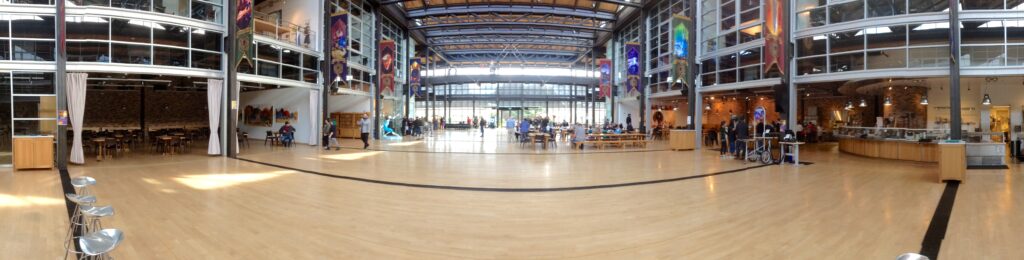
The Emeryville campus was designed to force interaction. Jobs wanted a central atrium that would bring people together: mailboxes, meeting rooms, food, bathrooms, circulation. The idea was that engineers, artists, executives, and production people should collide.
This is very Jobs and very Pixar.
The basic theory was: creativity depends on unplanned conversations; unplanned conversations require shared space; shared space can be designed; therefore architecture is part of the creative pipeline.
This is either profound or controlling.
Often both.
Pixar’s films required constant negotiation between departments. Story wants one thing. Animation needs another. Technical direction knows the cost. Lighting has opinions. Rendering has limits. Production has deadlines. If those groups become isolated, the pipeline becomes a bureaucracy. If they talk, the pipeline can become a creative system.
The atrium was a physical Braintrust for casual collisions.
A building can be software.
Sort of.
The Braintrust: story as a repair mechanism
Pixar is famous for being “story-driven.” This is true, but it is usually misunderstood.
“Story-driven” does not mean Pixar starts with perfect stories. Pixar starts with bad versions, confused versions, sentimental versions, overcomplicated versions, visually exciting but emotionally empty versions, and versions where the main character is too unpleasant. Then it tries to fix them.
The real Pixar invention was not that story mattered. Disney had known story mattered for decades. Everyone says story matters. It is the cheapest sentence in Hollywood.
The real invention was a system for making story problems visible early enough to repair them.
The Braintrust is the emblem of that system: a group of trusted filmmakers and creative leaders who review works in progress and give candid feedback. The key rule is that the Braintrust does not dictate solutions. It identifies problems. The director still owns the film.
This distinction matters.
If feedback is mandatory instruction, directors become defensive or obedient. If feedback is honest but nonbinding, directors can hear it as diagnosis rather than command. The Braintrust’s job is not to write the movie by committee. It is to make denial harder.
That is a very useful service.
A film in production is a belief system. Everyone working on it has to believe it can work, because otherwise the daily labor becomes unbearable. But belief can become delusion. The Braintrust interrupts delusion.
Politely, ideally.
Directly, necessarily.
The mechanism is: show unfinished work, receive candid criticism, separate the person from the problem, preserve authority, iterate.
Simple.
Painful.
Expensive.
Better than shipping a bad movie.
Dailies, postmortems, and public incompleteness
The Braintrust was not the only ritual. Pixar also used dailies, where artists showed work in progress and received feedback. This required people to show unfinished work in front of peers.
That is culturally difficult. Most people prefer to show finished work, because finished work lets them pretend the messy part never happened. Pixar institutionalized the messy part.
This is one of the strongest pieces of the Pixar system. If unfinished work is hidden, problems compound. If unfinished work is visible, embarrassment happens earlier. Early embarrassment is cheaper than late embarrassment.
Financially, yes.
Emotionally, less fun.
Postmortems served another function. After a film, the studio tried to examine what worked and what failed. This sounds obvious. It is not. Successful organizations often learn the wrong lesson from success: “We succeeded, therefore everything we did was correct.” Pixar tried, at least in principle, to avoid that.
Success can hide mistakes. Failure reveals them, but at a cost. Postmortems are an attempt to extract failure-like learning from success.
This is very reasonable.
Also very hard, because nobody wants to relitigate the suffering after the box office is good.
Pixar University and the art of being bad in public
Pixar University, the studio’s internal education program, is another revealing institution. Employees could take classes in drawing, sculpture, improvisation, filmmaking, and other creative disciplines. Technical employees could draw. Production employees could sculpt. Artists could learn from other departments.
The practical benefit was cross-disciplinary understanding. The deeper benefit was cultural humility.
If a software engineer takes a drawing class and is bad at drawing in front of colleagues, something useful happens. The engineer remembers that learning is uncomfortable. The animator remembers that expertise is local. People become less mysterious to each other.
This matters in a studio where every film depends on translation between disciplines. The story department speaks one language. Engineering speaks another. Lighting speaks another. Production speaks in calendars. Finance speaks in consequences. Pixar needed these languages to overlap.
Pixar University made incompetence socially productive.
That is a strange sentence.
It is also true.
The myth of story first
Pixar built a public myth around story. The myth was useful, and like many useful myths, it was partly true and partly marketing.
The simple version is: Pixar cares about story more than other studios.
The complicated version is: Pixar built a high-cost production culture in which technology, story, management, and peer feedback were integrated tightly enough that story problems could force technical innovation and technical opportunities could reshape story choices.
This is less catchy.
It is more accurate.
“Story first” can sound anti-technology, as though Pixar succeeded despite being a technology company. That is wrong. Pixar succeeded because it was a technology company that refused to let technology be the point.
The lamp mattered because it was a character, not because it was rendered. But it could be a character because it was rendered, rigged, timed, shaded, lit, and directed by people who understood both the machine and the emotion.
The Pixar myth says: story beats spectacle.
The Pixar mechanism says: story tells the spectacle what job it has.
Better.
Ratatouille and the problem of taste
Ratatouille is a film about taste, and also a film about expertise.
A rat wants to cook. A garbage boy wants to survive. A restaurant wants to preserve a dead founder’s brand. A critic wants greatness but has trained himself to expect disappointment. Food becomes art, art becomes memory, and memory becomes the thing that defeats cynicism.
This is one of Pixar’s most explicit arguments about creativity: greatness can come from anywhere, but not everyone can become great.
That sounds egalitarian and elitist at the same time.
Good. Food is like that.
The production history also matters because Brad Bird took over the film from Jan Pinkava. This is another reminder that Pixar’s story system could be brutal. Projects changed. Directors changed. Work was rethought. The public myth is warmth; the production reality is intervention.
A studio that says story comes first must sometimes hurt people’s feelings in the name of story.
Humanly complicated.
Structurally consistent.
WALL-E and the silent machine
WALL-E is one of Pixar’s purest descendants of Luxo Jr.
A machine with binocular eyes, treads, and a compactor body becomes one of the studio’s most emotionally legible characters. For long stretches, he barely speaks. He performs through posture, timing, curiosity, and sound design.
This is the lamp lesson at feature scale.
The story is also unusually sharp for a family film. A corporation has automated consumption, Earth has become a trash planet, humans have become passengers in a convenience system, and the only character with a work ethic is a garbage robot who has developed a soul by doing the same job too long.
The basic model is: civilization produces waste, the company sells escape, automation preserves comfort, and the robot cleaning the mess becomes the moral center.
This is not subtle.
It is also beautiful.
Technically, WALL-E shows Pixar’s confidence. The studio could now make rust, dust, lens effects, empty landscapes, space interiors, robots, and silent comedy. More importantly, it trusted audiences to watch a near-silent opening act built around a lonely machine.
A computer had learned to animate a toy. Then a computer animated a robot who collected trash and made adults cry.
Progress, sort of.
Up and the emotional opening trade
Up begins with one of Pixar’s most famous sequences: the life of Carl and Ellie, compressed into a montage. It is a short film inside a feature, and it functions almost like a financial instrument.
The movie asks the audience for emotional credit.
The montage is the collateral.
For the rest of the film, Carl can be stubborn, withdrawn, irritable, and difficult because the audience knows what he has lost. The opening sequence creates a reserve of sympathy that the movie spends later.
That is story accounting.
The sequence also shows how Pixar’s tools had matured. Human characters, stylized but emotionally precise, could carry grief and time. The film did not need technical novelty as its public hook. It had an old man, a house, balloons, a child, a bird, a dog, and loss.
A house flies with balloons.
Fine.
The real fantasy is that a mainstream animated film would pause to make children think about mortality before the adventure starts.
Pixar got away with it because the emotional mechanism worked.
Inside Out: Pixar makes the mechanism literal
Inside Out is almost too perfect for Pixar because it turns the company’s own method into a premise.
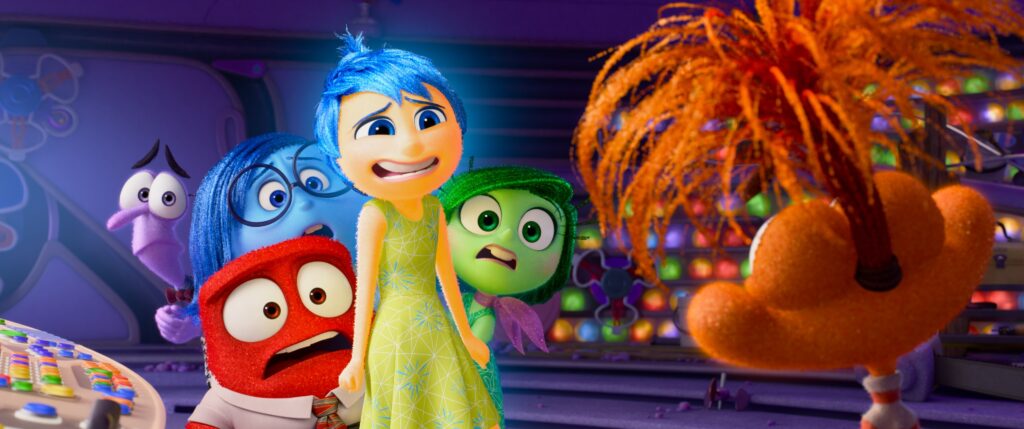
The basic model is: emotions are characters, memory is architecture, personality is infrastructure, and growing up is a systems failure that becomes a systems upgrade.
This is Pixar as organizational theory inside a child’s head.
Joy wants Riley to be happy. Sadness seems like a bug. The plot reveals that Sadness is a feature. The system works only when it allows complexity. Childhood emotional management becomes a control room, then a crisis, then a reorganization.
This is also a good way to understand Pixar’s own creative culture. A film that suppresses bad feelings becomes false. A studio that suppresses bad feedback becomes weak. Sadness has to be allowed into the room.
The movie is a metaphor for emotional development.
It is also, accidentally or not, a metaphor for notes meetings.
OpenUSD and the tool culture after RenderMan
The toolmaking story did not end with RenderMan.
Pixar later developed Universal Scene Description, now OpenUSD, a system for describing, composing, and exchanging complex 3D scenes across tools and workflows. It was open-sourced in 2016 and has become important beyond Pixar, including visual effects, animation, games, simulation, and other 3D industries.
This is the modern version of the old Pixar pattern.
The studio has a production problem: complex scenes, many assets, many departments, many versions, many tools, many collaborators. Pixar builds infrastructure to solve the problem. The infrastructure becomes useful to other people. The internal tool becomes industry language.
The same pattern repeats: tool first, standard later, invisible influence everywhere.
This is why Pixar’s history cannot be told only through films. Pixar’s visible output is the movie slate. Its hidden output is the technical grammar of digital production.
The lamp is cute.
The scene description system is less cute.
Both matter.
The post-Lasseter fracture
Any honest Pixar history has to include the fracture in the myth.
John Lasseter was central to Pixar’s rise: animator, director, creative leader, symbol of the studio’s connection to Disney tradition, champion of character-driven computer animation. He was also the subject of misconduct allegations and left Disney/Pixar after a leave of absence. In 2018, Pete Docter became Chief Creative Officer of Pixar, while Jennifer Lee became Chief Creative Officer of Walt Disney Animation Studios.
This changes the story.
For years, the public Pixar myth was built around a small group of mostly male creative leaders, a friendly campus, candid feedback, and trust. The allegations against Lasseter complicated that myth. A culture can produce great films and still have power problems. A creative genius model can hide behavior that people lower in the hierarchy have to absorb.
This is not a reason to erase the films.
It is a reason to stop treating the culture as magic.
The mechanism matters.
If a studio depends on candor, who is allowed to be candid? If a studio depends on trust, whose comfort defines trust? If a studio depends on strong creative leaders, what happens when strength becomes protection?
Legally and personally, those questions belong to specific events.
Structurally, they belong in the history.
The myth was never just false.
It was incomplete.
Streaming, layoffs, and the new economics
Pixar’s later years add another complication: the economics of animation changed.
Theatrical windows changed. Disney+ changed distribution expectations. Pandemic-era releases trained some audiences to see Pixar films as streaming events rather than theatrical events. Original films that might once have been major theatrical moments arrived directly on Disney+ or in a confused market. Meanwhile, sequels and known IP remained commercially powerful.
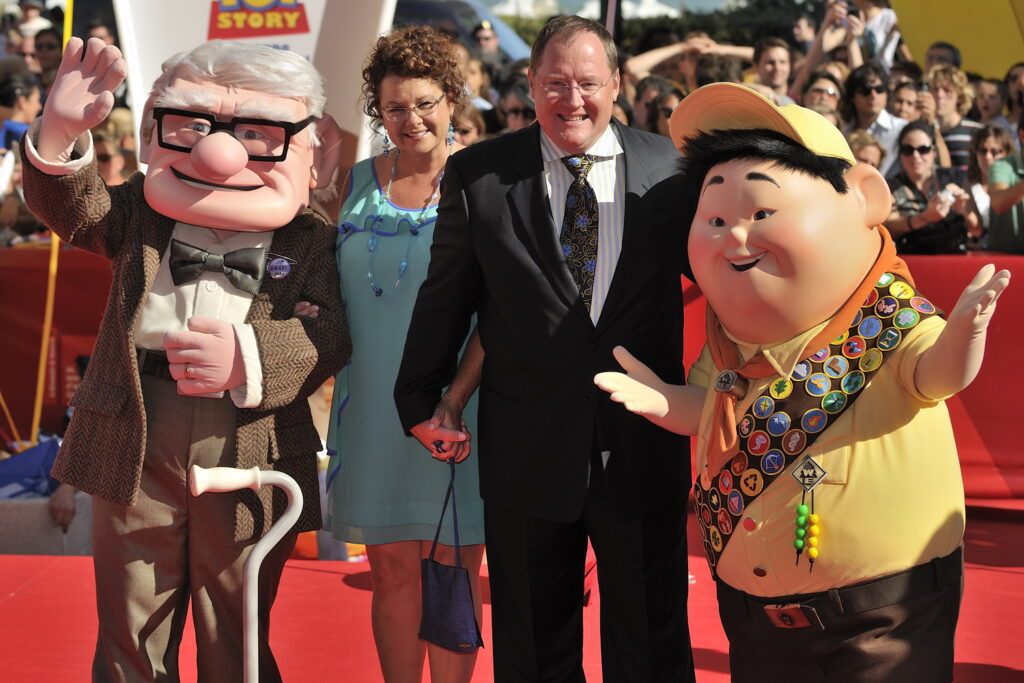
This creates a new Pixar problem.
The old Pixar story was: trust the studio, not the franchise.
The lamp is the brand.
A new Pixar original is an event because Pixar made it.
The new market is less generous. Audiences are fragmented. Streaming has trained different habits. Theatrical family attendance is expensive. Known IP is safer. Disney, like every large entertainment company, wants franchises that can be forecast, marketed, merchandised, and extended.
Of course it does.
In 2024, Pixar cut roughly 14% of its workforce as Disney reduced original streaming production and refocused Pixar on theatrical feature films. This was not just a staffing story. It was a distribution story. The studio that built its reputation on long, expensive, highly iterative development now had to operate inside a company trying to discipline streaming costs and restore theatrical economics.
This is the new version of the old Pixar constraint.
The old constraint was: computers are too slow and too expensive.
The new constraint is: attention is fragmented and originality is expensive.
The old answer was: build tools, make shorts, prove the audience cares.
The new answer is less clear.
Inside Out 2 and the franchise paradox
Then Inside Out 2 happened.
In 2024, Disney announced that Inside Out 2 had crossed $1 billion in nineteen days and had reached about $1.462 billion globally by late July, making it, at that moment, the highest-grossing animated film in global box-office history according to Disney’s framing.
This complicates the melancholy version of the story.
Pixar was not simply in decline. Pixar could still make a film that became a global theatrical event. But the film that proved that point was a sequel to one of Pixar’s most beloved originals.
That is the franchise paradox.
The original Inside Out was a risky conceptual bet: emotions as characters inside a child’s mind. The sequel was safer because the risk had already been converted into intellectual property. Audiences knew Joy and Sadness. Disney knew the brand. The marketing could explain itself.
The sequel’s success does not mean Pixar has lost its soul.
It means Pixar’s soul now lives in a market that strongly prefers pre-sold souls.
This is not unique to Pixar. It is the modern entertainment problem. But Pixar makes the problem more visible because its brand was built on the promise that original ideas could be mainstream events.
The question is no longer whether computers can make audiences feel.
Pixar solved that.
The question is whether a company built around expensive originality can survive inside an economy that keeps asking for cheaper certainty.
That is the current suspense.
Pixar as a Silicon Valley-Hollywood hybrid
Pixar is often described as a blend of Silicon Valley and Hollywood. This is true, but it needs unpacking.
Hollywood makes stories, stars, franchises, and distribution events. Silicon Valley makes tools, platforms, workflows, and valuation stories about the future. Pixar made movies using a Silicon Valley habit: build proprietary technology, iterate quickly, tolerate technical risk, attract highly specialized talent, and assume the future will eventually catch up to your expensive infrastructure.
But Pixar also learned a Hollywood lesson: technology is not enough.
The audience does not buy render time.
The audience buys feeling.
So Pixar’s business was a hybrid:
Build tools like a technology company.
Develop stories like a film studio.
Manage talent like a creative institution.
Sell characters like an entertainment company.
Raise capital like a growth story.
Negotiate rights like a franchise owner.
This is a lot of identities for one company. It explains both the magic and the tension.
A pure technology company can ship a tool. A pure film studio can outsource tools. Pixar did neither. It built the tool because the film needed it; then the film justified the tool.
Circular.
Productive.
The four-person version of the origin story
The Pixar origin is often simplified into a few names: Ed Catmull, Alvy Ray Smith, John Lasseter, Steve Jobs. This is useful as long as we do not make it too clean.
Catmull is the institution builder.
He wanted the computer-animated feature before the industry had a place for it. He understood research, management, and the long patience required to make impossible technical work practical.
Smith is the digital image evangelist and the missing co-founder.
He is a bridge between computer science and art, and a reminder that official myths compress people. His conflicts with Jobs also reveal a real tension: research culture and owner culture do not always enjoy each other.
Lasseter is the animator and the problem.
His artistic contribution is foundational. His later fall complicates the mythology around Pixar’s warmth, trust, and leadership.
Jobs is the financier of the impossible.
He did not invent Pixar’s art. He did not write Toy Story. But he bought the problem, funded the losses, protected the company long enough for the movie to arrive, and negotiated from strength once it did.
One way to think about Pixar is that each man represented one necessary asset:
Catmull: patience.
Smith: pixels.
Lasseter: performance.
Jobs: leverage.
The company needed all four.
It was not always pleasant.
The real legacy
The easy conclusion is that Pixar changed animation by making the first computer-animated feature.
Yes.
But that is just the surface story.
The real legacy is that Pixar changed the production model of animation. It proved that a studio could be a research lab, software company, hardware survivor, short-film workshop, feature studio, franchise generator, and management case study at the same time.
It proved that tools could be creative assets. It proved that limitations could become style. It proved that audiences could emotionally identify with digital characters. It proved that a renderer could be part of storytelling. It proved that story development could be systematized without becoming purely bureaucratic. It proved that a small technical company could become strategically essential to the largest animation company in the world.
It also proved something more uncomfortable: myths are useful, but mechanisms are better.
The myth says Pixar is a story-first studio where geniuses made beloved films.
The mechanism says Pixar is a company that survived hardware failure, converted research into tools, converted tools into shorts, converted shorts into trust, converted trust into a feature, converted a feature into market value, converted market value into negotiating leverage, converted leverage into a Disney acquisition, and converted the acquisition into institutional influence.
That is less romantic.
It is more interesting.
Pixar did not simply teach computers to animate.
It taught a production system to turn technical risk into emotional credibility.
The audience saw toys.
The industry saw the future.
The balance sheet saw intellectual property.
The computer saw 800,000 machine-hours and asked for better cooling.
Everyone was right.
Final punchline
Okay, so here is the basic idea of Pixar.
Suppose you are a group of computer graphics researchers in the 1970s. You want to make a movie that no machine can yet make. You join Lucasfilm because George Lucas wants tools. You build imaging hardware because movies are still too far away. The hardware is too expensive, so you make shorts. The shorts are too good to ignore, so Disney pays attention. Disney helps you make a feature. The feature works, so Wall Street pays attention. Wall Street gives you leverage, so Disney has to renegotiate. The renegotiation fails, so Disney buys you. Disney buys you, so your leaders run Disney Animation. Your studio becomes a myth about story, even though the myth only works because of decades of software, rendering, feedback, architecture, failed versions, deleted files, and people willing to say that the movie is not good enough yet.
This is not a fairy tale.
It is a pipeline.
Timeline:
1970s – NYIT Computer Graphics Lab
Ed Catmull, Alvy Ray Smith, and others develop early computer graphics systems and the long dream of a computer-animated feature.
1979 – Lucasfilm Computer Division
George Lucas hires Catmull to lead a group focused on digital tools for filmmaking: editing, sound, film printing, and computer graphics.
1980 – Alvy Ray Smith joins Lucasfilm
Smith becomes one of the key figures connecting digital image research, art, and future cinema.
1982 – The Genesis Effect
Lucasfilm’s computer graphics group creates the fully computer-generated Genesis sequence for Star Trek II: The Wrath of Khan.
1984 – John Lasseter joins the group
A Disney-trained animator enters a technical culture and helps turn computer graphics into character animation.
1986 – Pixar is spun out
Steve Jobs funds the spin-out of the Lucasfilm Computer Division, and Pixar becomes an independent company with about forty employees.
1986 – Luxo Jr.
A short film about desk lamps becomes the proof that a digital object can act.
1988 – RenderMan
Pixar introduces RenderMan, built around production rendering needs and the Reyes architecture.
1988/1989 – Tin Toy wins the Oscar
Tin Toy becomes the first computer-animated short to win the Academy Award for animated short film.
1991 – Disney and Pixar make a feature deal
The deal leads to Toy Story.
1995 – Toy Story
The first fully computer-animated feature opens, becomes a hit, and turns Pixar from a technical promise into a public company with leverage.
1997 – Disney and Pixar expand the relationship
The partnership becomes a multi-picture production and distribution machine.
2004 – Pixar and Disney break off talks
The partnership becomes a rights, control, and ownership problem.
2006 – Disney acquires Pixar
Disney buys Pixar for about $7.4 billion in stock. Steve Jobs joins Disney’s board. Ed Catmull and John Lasseter take major creative leadership roles across Pixar and Disney Animation.
2016 – USD becomes open source
Pixar’s Universal Scene Description becomes OpenUSD, extending the studio’s toolmaking culture beyond its own films.
2018 – Pete Docter becomes Pixar CCO
After John Lasseter’s exit, Pixar enters a new leadership era.
2024 and after – the streaming/franchise problem
Pixar faces layoffs, a reduced streaming push, renewed theatrical focus, and the commercial proof that sequels can still be enormous.
That is the timeline. It is useful.
But the timeline is not the story.
The story is the mechanism underneath the timeline.
Sources, image credits and copyright notes
Main sources
Pixar Animation Studios – Our Story
https://www.pixar.com/our-story
Used for: Pixar timeline, Lucasfilm Computer Division, Steve Jobs spin-out, CAPS, early shorts, Toy Story, Disney/Pixar chronology.
Pixar RenderMan – The Evolution of RenderMan
https://renderman.pixar.com/the-evolution-of-renderman
Used for: RenderMan, Reyes, production rendering, Pixar’s toolmaking culture.
Ed Catmull – How Pixar Fosters Collective Creativity, Harvard Business Review
https://hbr.org/2008/09/how-pixar-fosters-collective-creativity
Used for: Braintrust, dailies, postmortems, Pixar’s creative-management culture.
The Walt Disney Company – Disney and Pixar End Talks, January 29, 2004
https://thewaltdisneycompany.com/press-releases/disney-and-pixar-end-talks/
Used for: 2004 Pixar–Disney negotiation breakdown.
The Walt Disney Company – Disney To Acquire Pixar, January 24, 2006
https://thewaltdisneycompany.com/press-releases/disney-to-acquire-pixar/
Used for: Disney’s acquisition of Pixar, transaction structure, Jobs/Catmull/Lasseter roles.
SEC Archive – Disney/Pixar Joint Press Release, January 24, 2006
https://www.sec.gov/Archives/edgar/data/1001039/000119312506010897/dex991.htm
Used for: acquisition terms and official deal language.
IEEE Spectrum – The Real Story of Pixar
https://spectrum.ieee.org/the-real-story-of-pixar
Used for: Alvy Ray Smith, NYIT background, Lucasfilm Computer Graphics Group, Pixar Image Computer.
Wired – The Toy Story Story
https://www.wired.com/1995/12/toy-story
Used for: Toy Story production context, Menv, RenderMan, early Pixar production scale.
Wired – Pixar Says “So Long” to Disney
https://www.wired.com/2004/01/pixar-says-so-long-to-disney/
Used for: Jobs-era Pixar–Disney tension and ownership/control issues.
OpenUSD – Open Source Release: Universal Scene Description, July 26, 2016
https://openusd.org/release/press_opensource_release.html
Used for: USD/OpenUSD, Pixar’s later toolmaking culture.
Pixar – OpenUSD
https://www.pixar.com/openusd
Used for: OpenUSD description and Pixar’s official framing of scalable 3D scene interchange.
Reuters – Disney’s Pixar Animation to lay off about 14% of workforce, May 21, 2024
https://www.reuters.com/business/media-telecom/pixar-animation-lay-off-about-14-workforce-2024-05-21/
Used for: 2024 layoffs, streaming retrenchment, refocus on theatrical features.
The Walt Disney Company – Inside Out 2 highest-grossing animated film announcement, July 24, 2024
https://thewaltdisneycompany.com/news/inside-out-2-highest-grossing-animated-film-globally/
Used for: Inside Out 2 box office, $1B in 19 days, franchise-era epilogue.
Image credits and copyright notes
Pixar Animation Studios Entrance
Image source: Wikimedia Commons – Pixaranimationstudios.jpg
https://commons.wikimedia.org/wiki/File:Pixaranimationstudios.jpg
Credit: Coolcaesar / Wikimedia Commons
License: Creative Commons license as listed on the Wikimedia Commons file page; attribution required.
Pixar HQ, Emeryville, California
Image source: Wikimedia Commons – Pixar HQ Emeryville, California.jpg
https://commons.wikimedia.org/wiki/File:Pixar_HQ_Emeryville,_California.jpg
License: Creative Commons Attribution 2.0 Generic – CC BY 2.0; attribution required.
Panorama of Atrium of Steve Jobs Building at Pixar
Image source: Wikimedia Commons – Panorama of Atrium of Steve Jobs Building at Pixar IMG 4190.jpg
https://commons.wikimedia.org/wiki/File:Panorama_of_Atrium_of_Steve_Jobs_Building_at_Pixar_IMG_4190.jpg
Credit: Bill Abbott / Wikimedia Commons / Flickr
License: check and follow the license listed on the Wikimedia Commons file page; attribution required.
Pixar Awards, Emeryville, 2010
Image source: Wikimedia Commons – Pixar, Awards, Emeryville, 2010.jpg
https://commons.wikimedia.org/wiki/File:Pixar,_Awards,_Emeryville,_2010.jpg
Credit: Marcin Wichary / Wikimedia Commons
License: Creative Commons license as listed on the Wikimedia Commons file page; attribution required.
Luxo Jr. in Pixar Fest Hong Kong 2021
Image source: Wikimedia Commons – Luxo Jr in Pixar Fest Hong Kong 2021.jpg
https://commons.wikimedia.org/wiki/File:Luxo_Jr_in_Pixar_Fest_Hong_Kong_2021.jpg
Credit: Achanhk / Wikimedia Commons
License: CC BY-SA 4.0 for the photograph; attribution and share-alike required. Note: the depicted Luxo Jr. model is a representation of a copyrighted Pixar character/object, and Commons flags possible jurisdiction-dependent reuse limits.
Computer Generated Hand
Image source: Wikimedia Commons – Computer Generated Hand.jpg
https://commons.wikimedia.org/wiki/File:Computer_Generated_Hand.jpg
Credit: Cgiking / Wikimedia Commons
License: CC BY-SA 4.0; attribution and share-alike required.
Ed Catmull, ETL 2014
Image source: Wikimedia Commons – Ed Catmull, ETL 2014.jpg
https://commons.wikimedia.org/wiki/File:Ed_Catmull,_ETL_2014.jpg
Credit: Steve Jurvetson / Wikimedia Commons / Flickr
License: CC BY 2.0; attribution required.
Alvy Ray Smith
Image source: Wikimedia Commons – Alvy Ray Smith.jpg
https://commons.wikimedia.org/wiki/File:Alvy_Ray_Smith.jpg
Credit: Owen Byrne / Wikimedia Commons / Flickr
License: CC BY 2.0; attribution required.
Steve Jobs, January 1984
Image source: Wikimedia Commons – Steve Jobs January 1984.jpg / derivative of Bernard Gotfryd Library of Congress photograph
https://commons.wikimedia.org/wiki/File:Steve_Jobs_January_1984.jpg
Credit: Bernard Gotfryd / Library of Congress; derivative work as listed on Wikimedia Commons
License/status: Library of Congress “no known copyright restrictions” / public-domain-related status as listed on the Commons file page; keep source and author credit.
John Lasseter at the 66th Venice Film Festival
Image source: Wikimedia Commons – John Lasseter-Up-66th Mostra.jpg
https://commons.wikimedia.org/wiki/File:John_Lasseter-Up-66th_Mostra.jpg
Credit: Nicolas Genin / Wikimedia Commons / Flickr
License: CC BY-SA 2.0; attribution and share-alike required.
John Lasseter and Ed Catmull – VES Awards 89
Image source: Wikimedia Commons – VES Awards 89.jpg
https://commons.wikimedia.org/wiki/File:VES_Awards_89.jpg
Credit: Jeff Heusser / Wikimedia Commons / Flickr
License: CC BY 2.0; attribution required.
Pixar Image Computer – Computer History Museum
Image source: Wikimedia Commons – Pixar Computer – computer history museum 2013-04-11 23-46.jpg
https://commons.wikimedia.org/wiki/File:Pixar_Computer_-_computer_history_museum_2013-04-11_23-46.jpg
License: CC BY-SA 3.0; attribution and share-alike required.
RenderMan Rolling Teapot asset
Source: Pixar RenderMan – Rolling Teapot
https://renderman.pixar.com/rolling-teapot
Credit required by source: “Model by Brice Laville. Concept by Tom Robinson – RenderMan ‘Rolling Teapot’ Art Challenge.”
License: Creative Commons International 4.0, according to Pixar RenderMan asset terms.
Inside Pixar key art / logo
Source: Disney Press – Inside Pixar Logos and Key Art
https://press.disney.co.uk/gallery/inside-pixar-logos
Copyright: © Disney/Pixar, as applicable.
Usage note: Disney Press materials are for editorial/news use only; keep proprietary notices intact, do not modify out of context, and do not imply endorsement or association.
Inside Out 2 stills / key art
Source: Disney Press – Inside Out 2 Images
https://press.disney.co.uk/gallery/inside-out-2
Copyright: © Disney/Pixar, as applicable.
Usage note: Disney Press materials are for editorial/news use only; keep proprietary notices intact, do not modify out of context, and do not imply endorsement or association.
Pixar Popcorn images
Source: Disney Press – Pixar Popcorn Images
https://press.disney.co.uk/gallery/pixar-popcorn-images
Copyright: © Disney/Pixar, as applicable.
Usage note: use only as editorial reference to Pixar characters, franchise culture, Disney+ or Pixar branding; keep notices intact and avoid decorative/commercial use outside the article context. Disney’s press-site terms limit downloaded news-site material to editorial news use only.
Forky Asks a Question stills
Source: Disney Press – Forky Asks a Question Stills
https://press.disney.co.uk/gallery/forky-asks-a-question-stills
Copyright: © Disney/Pixar, as applicable.
Usage note: use only as editorial reference to Pixar/Disney+ and the franchise/IP discussion; keep notices intact and avoid out-of-context use. Disney’s press-site terms limit downloaded news-site material to editorial news use only.